The Treaty of Hudaybiyyah: A Victory Called Peace
When the Muslims travelled to Makkah in peace, they were stopped at Hudaybiyyah and offered a treaty with painful terms. Discover why the Prophet ﷺ accepted it — and how this "defeat" became one of Islam's greatest victories for the Muslims.
 MsWeb
Six years after the Hijrah, the Muslims of Madinah were living in peace, but their hearts longed for Makkah. They had been kept away from the Kaaba for many years. One night, Prophet Muhammad ﷺ saw a dream in which he and his companions were entering Makkah peacefully to perform Umrah, the lesser pilgrimage. He shared the dream, and nearly 1,400 Muslims prepared to travel with him.
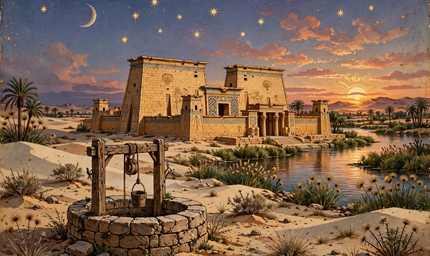
They set out in the sacred month wearing the simple white garments of pilgrims, carrying no weapons except the swords travellers usually wore for the road. Their message was clear: they had come in peace, to worship Allah at His House. But the Quraysh of Makkah refused to let them enter, and stopped them at a place called Hudaybiyyah, a short distance from the city.
A Peaceful Journey to Makkah
The Prophet ﷺ sent Uthman ibn Affan to Makkah to explain that the Muslims had come only for pilgrimage, not for war. But Uthman was delayed, and a rumour spread that he had been harmed. The news shocked the Muslims. Under a tree at Hudaybiyyah, the Prophet ﷺ called his companions and took from them a pledge of loyalty and courage — the famous Pledge of Ridwan. Every companion gave his hand, promising to stand firm.
Soon it became clear that Uthman was safe, and the Quraysh sent a messenger named Suhayl ibn Amr to negotiate. The two sides sat down to agree on the terms of a treaty. Ali ibn Abi Talib was asked to write the treaty, and when the Quraysh objected to the words "Messenger of Allah," the Prophet ﷺ calmly asked Ali to remove them, putting peace above pride. What happened next surprised many of the companions — but the Prophet ﷺ, guided by Allah's wisdom, saw what they could not yet see.
The Terms of the Treaty
The treaty of Hudaybiyyah was written for ten years of peace between the Muslims and the Quraysh. Its terms seemed hard for the Muslims. They would return to Madinah that year without performing Umrah, and would come back the next year for only three days. Any Muslim who fled Makkah to join Madinah would be sent back, while anyone who left Madinah for Makkah would not be returned.
When the companions heard these terms, their hearts were heavy. Umar ibn al-Khattab, known for his strong spirit, could not hide his pain. "Are we not upon the truth?" he asked. But the Prophet ﷺ was calm. He knew that this treaty, however difficult it looked, was the beginning of something great. He signed it, and the companions, though sad, followed his example.
Why It Was a Victory
Allah called this treaty a "clear victory" in the Quran, in Surah Al-Fath. And soon everyone understood why. For the first time in years, there was peace between Makkah and Madinah. People could travel safely, meet one another, and talk. When the Muslims visited Makkah the following year, the Quraysh saw their discipline, their kindness, and their worship — and hearts began to change.
Within two years, more people accepted Islam than in all the years before it. Tribes that had feared the Quraysh now came to Madinah freely to learn about the Prophet ﷺ. The peace of Hudaybiyyah had opened doors that no battle ever could. What had looked like a defeat was, in truth, the greatest victory of all.
Lesson of the Story
The Treaty of Hudaybiyyah teaches us that real victory is not always won with strength. The Prophet ﷺ chose peace even when the terms were painful, because he was thinking of the future of his people, not only the moment.
It also teaches us patience and trust. When things do not go our way, we should remember that Allah's wisdom is greater than ours — and that a door we cannot see may be opening right in front of us.